

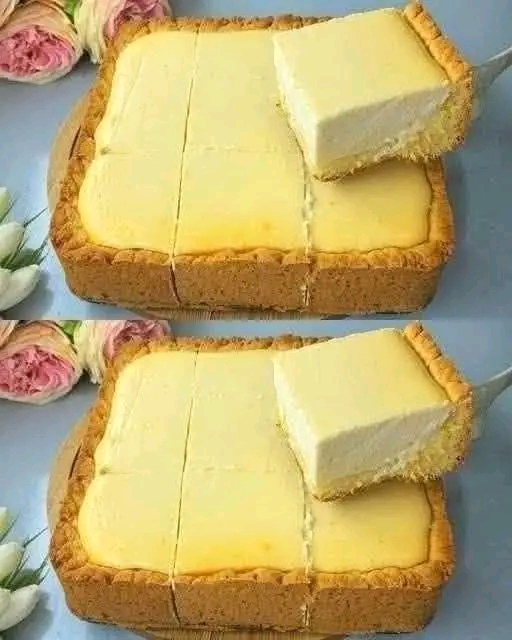
Torta della Nonna — Classic Italian Grandma’s Custard Tart
Introduction
Torta della Nonna, which literally means “Grandmother’s Cake,” is one of Italy’s most beloved traditional desserts. Despite its name, it is not necessarily a cake made by a grandmother. Instead, the name evokes the comforting image of homemade Italian baking: buttery pastry, silky pastry cream, fragrant lemon, and crunchy pine nuts.
This Tuscan specialty consists of a delicate pasta frolla—Italian shortcrust pastry—filled generously with crema pasticcera, a smooth vanilla-lemon pastry cream. The filling is enclosed between two layers of pastry, and the top is traditionally decorated with pine nuts and finished with powdered sugar.
The result is wonderfully contrasting: crisp, buttery pastry on the outside and rich, creamy custard inside, with a subtle citrus aroma and toasted pine-nut flavor.
Recipe Information
Recipe: Torta della Nonna
Cuisine: Italian
Origin: Tuscany, Italy
Category: Dessert / Tart
Preparation time: 45 minutes
Chilling time: 1 hour
Baking time: 40–50 minutes
Total time: About 2½–3 hours
Servings: 10–12 slices
Nutritional Information
Approximate nutrition per slice, assuming 12 servings:
- Calories: 390–440 kcal
- Protein: 7–9 g
- Carbohydrates: 50–55 g
- Fat: 18–22 g
- Saturated fat: 8–11 g
- Sugar: 22–28 g
- Fiber: 1–2 g
- Sodium: 100–160 mg
The exact nutritional values depend on the size of the slices and the specific ingredients used.
Ingredients
For the Italian Shortcrust Pastry
- 400 g all-purpose flour
- 180 g unsalted butter, cold and cubed
- 150 g granulated sugar
- 2 large eggs
- 1 egg yolk
- 1 teaspoon vanilla extract
- Finely grated zest of 1 lemon
- 1 small pinch of salt
- ½ teaspoon baking powder, optional
The optional baking powder gives the pastry a slightly softer texture. For a more traditional, crisp pasta frolla, you can leave it out.
For the Pastry Cream
- 500 ml whole milk
- 4 large egg yolks
- 120 g granulated sugar
- 45 g cornstarch
- 1 teaspoon vanilla extract
- Finely grated zest of 1 lemon
- 1 small pinch of salt
For an especially rich pastry cream, you can replace about 100 ml of the milk with heavy cream.
For the Topping
- 60–80 g pine nuts
- 1 egg yolk
- 1 tablespoon milk
- Powdered sugar, for dusting
Optional:
- Extra lemon zest
- A few whole pine nuts for decoration
Equipment
- Large mixing bowls
- Saucepan
- Whisk
- Fine grater
- Rolling pin
- 24–26 cm round tart pan or springform pan
- Baking paper
- Fork
- Pastry brush
- Plastic wrap
- Cooling rack
History of Torta della Nonna
Torta della Nonna is strongly associated with Tuscany, particularly Florence and the surrounding region.
Although its name sounds ancient, the dessert is generally considered a relatively modern Italian creation rather than a recipe passed unchanged through centuries of Italian history.
The story commonly associated with the dessert involves a Florentine restaurateur and chef, Guido Samorini, who is often credited with popularizing the dish in the early 20th century. The idea was beautifully simple: create a dessert that was familiar, comforting, inexpensive, and easy to love.
The name “Torta della Nonna”—Grandmother’s Cake—helped give it its homestyle identity.
Over time, it became a classic throughout Tuscany and then across Italy.
Today, you will find different versions. Some are completely enclosed with pastry, while others have an exposed pastry-cream surface covered with pine nuts. Some recipes use lemon zest, others emphasize vanilla, and some include a small amount of liqueur.
But the heart of the dessert remains the same:
shortcrust pastry + pastry cream + pine nuts + powdered sugar.
Formation of the Dessert
The structure of Torta della Nonna is simple but extremely effective.
It is formed from:
1. Bottom pastry layer
A buttery layer of pasta frolla creates the foundation.
2. Pastry cream
A thick, smooth crema pasticcera fills the center.
3. Top pastry layer
Another thin pastry layer encloses the creamy filling.
4. Pine nuts
Pine nuts are scattered over the surface and become beautifully toasted during baking.
5. Powdered sugar
After cooling, powdered sugar provides the traditional snowy finish.
When sliced, the tart should reveal a generous layer of creamy custard surrounded by golden pastry.
Method 1: Preparing the Pastry Cream
Start with the pastry cream because it needs time to cool.
Step 1: Warm the milk
Pour the milk into a saucepan.
Add the lemon zest and vanilla.
Heat over medium-low heat until the milk becomes hot and begins producing steam.
Do not allow it to boil aggressively.
Remove from the heat.
Step 2: Mix the egg yolks
In a bowl, combine:
- Egg yolks
- Sugar
- Cornstarch
- Salt
Whisk vigorously until the mixture becomes smooth and slightly lighter.
Step 3: Temper the eggs
Slowly pour some of the hot milk into the egg mixture while whisking constantly.
This is important because it gradually raises the temperature of the eggs without scrambling them.
Continue adding the milk slowly until everything is incorporated.
Step 4: Cook the cream
Return the mixture to the saucepan.
Cook over medium heat while whisking continuously.
After several minutes, the mixture will begin to thicken.
Once it becomes thick and creamy, continue cooking for about 1 minute while whisking.
You want a pastry cream that is thick enough to hold its shape.
Step 5: Cool
Transfer the pastry cream to a clean bowl.
Cover the surface directly with plastic wrap to prevent a skin from forming.
Allow it to cool.
Then refrigerate until completely cold.
Method 2: Making the Pasta Frolla
Step 1: Combine the dry ingredients
Place the flour, sugar, salt, and optional baking powder in a large bowl.
Mix.
Step 2: Add the butter
Add the cold cubed butter.
Using your fingertips, rub the butter into the flour until the mixture resembles coarse crumbs.
Work relatively quickly so the butter does not become too warm.
Step 3: Add eggs and flavoring
Add:
- 2 eggs
- 1 egg yolk
- Vanilla
- Lemon zest
Mix until a dough begins to form.
Do not overwork the dough.
The goal is a tender pastry rather than a tough one.
Step 4: Form the dough
Gather the dough into a ball.
Flatten it into a disk.
Wrap it tightly in plastic wrap.
Refrigerate for at least 1 hour.
You can also prepare the dough the day before.
Method 3: Preparing the Tart
Preheat your oven to:
175°C / 350°F
Grease a 24–26 cm tart pan or springform pan.
Step 1: Divide the dough
Remove the chilled pastry from the refrigerator.
Divide it into two portions:
- One slightly larger portion for the bottom and sides
- One smaller portion for the top
Step 2: Roll the bottom
Lightly flour your work surface.
Roll the larger piece into a circle approximately 3–4 mm thick.
Carefully transfer it into the tart pan.
Press the dough gently into the bottom and sides.
Trim away excess pastry.
Step 3: Prepare the filling
Take the chilled pastry cream from the refrigerator.
Whisk it briefly to make it smooth again.
Pour it into the pastry shell.
Spread it evenly.
Leave a little room around the edges so that the top pastry can be sealed properly.
Method 4: Adding the Top Pastry
Roll the second portion of dough into a circle.
Carefully place it over the pastry cream.
Press the edges together with the bottom pastry.
Trim away any excess.
Use your fingers or a fork to seal the edges.
The pastry should form a complete enclosure around the cream.
Method 5: Pine Nut Topping
In a small bowl, combine:
- 1 egg yolk
- 1 tablespoon milk
Whisk together.
Brush a thin layer over the top pastry.
Scatter the pine nuts evenly over the surface.
Gently press them into the pastry so they remain in place during baking.
Method 6: Baking
Place the tart into the preheated oven.
Bake for approximately:
40–50 minutes at 175°C / 350°F
The exact time depends on your oven and the thickness of the pastry.
You are looking for:
- Deep golden pastry
- Lightly toasted pine nuts
- Firm edges
- A set center
Do not worry if the tart seems slightly soft in the center when it comes out.
The pastry cream will continue to firm as it cools.
Method 7: Cooling
This step is extremely important.
Remove the tart from the oven.
Place it on a cooling rack.
Allow it to cool completely before cutting.
For the cleanest slices, refrigerate it for approximately 1–2 hours after it has reached room temperature.
Method 8: The Final Formation
Once the Torta della Nonna is completely cool, carefully remove it from the pan.
Place it on a serving plate.
Dust generously with powdered sugar.
For a beautiful traditional presentation, you can add a little extra lemon zest immediately before serving.
The final appearance should be:
golden pastry + toasted pine nuts + white powdered sugar + creamy lemon-vanilla center.
Important Tips for Perfect Torta della Nonna
Keep the butter cold
Cold butter helps create a tender, crumbly pasta frolla.
Don’t overwork the dough
Overmixing develops gluten and can make the pastry tough.
Chill the pastry
Cold dough is much easier to roll and is less likely to shrink during baking.
Make thick pastry cream
The filling should be thick enough that it does not run when the tart is cut.
Cool completely
Cutting the tart while hot can cause the custard to flow.
Toast the pine nuts
Pine nuts develop a wonderful nutty flavor as they bake.
Don’t overbake
The pastry should be golden rather than dark brown.
Serving Suggestions
Torta della Nonna is excellent served at room temperature or slightly chilled.
You can serve each slice with:
- A light dusting of powdered sugar
- Fresh berries
- Strawberries
- Raspberries
- A few toasted pine nuts
- Fresh lemon zest
- Vanilla ice cream
- Lightly whipped cream
For a more Italian-style presentation, keep the accompaniment simple and let the pastry cream remain the star.
Storage
Store Torta della Nonna in the refrigerator because it contains pastry cream.
Keep it covered and consume within approximately 3 days for the best quality.
Before serving, let individual slices sit at room temperature for around 10–20 minutes.
The pastry becomes more fragrant and the cream softer.
Make-Ahead Method
This dessert is particularly convenient when prepared in stages.
Day 1
Prepare the pastry cream.
Prepare the pasta frolla.
Refrigerate both.
Day 2
Assemble the tart.
Add the pine nuts.
Bake.
Cool completely.
Refrigerate.
Serving day
Dust generously with powdered sugar and serve.
This method is especially useful when preparing the dessert for guests.
Common Mistakes
The pastry is hard
This usually happens because the dough was overworked or too much flour was added.
The pastry cream is runny
It may not have been cooked long enough or contained too little cornstarch.
The top pastry cracks
The dough may be too cold or too dry. Allow it to sit for a few minutes before rolling.
The pine nuts burn
If your oven runs hot, reduce the temperature slightly or cover the tart loosely with foil toward the end of baking.
The cream leaks
Make sure the top and bottom pastry layers are properly sealed around the edges.
A More Luxurious Version
For a richer Torta della Nonna, consider adding:
- 100 ml heavy cream to the pastry cream
- Extra vanilla
- A little orange zest alongside the lemon
- 1 tablespoon of rum or Marsala, if desired
- Extra toasted pine nuts
The result will be richer and more aromatic while maintaining the classic character of the dessert.
Why People Love Torta della Nonna
There is something particularly comforting about this dessert.
It combines several textures in one bite:
crisp pastry → creamy custard → buttery pastry → crunchy pine nuts → delicate powdered sugar.
The lemon zest prevents the custard from becoming overwhelmingly sweet, while the pine nuts contribute a subtle earthy nuttiness.
It is elegant enough for a dinner party but humble enough to feel like something made in a family kitchen.
That balance is perhaps the greatest charm of Torta della Nonna.
Conclusion
Torta della Nonna is a wonderful example of Italian pastry at its most comforting. It doesn’t rely on complicated decorations or exotic ingredients. Instead, it transforms simple ingredients—flour, butter, eggs, milk, sugar, lemon, vanilla, and pine nuts—into a sophisticated dessert.
The buttery pasta frolla surrounds a smooth pastry cream scented with lemon and vanilla, while the pine nuts provide a delicate crunch. Finished with powdered sugar, the tart becomes both rustic and elegant.
Whether served after a family meal, alongside coffee in the afternoon, or presented as the centerpiece of a special occasion, Torta della Nonna brings the warmth of traditional Italian baking to the table.
Final Lovers’ Notes
For lovers of creamy desserts: the silky pastry cream makes this irresistible.
For lovers of Italian cuisine: it is a beautiful representation of Tuscan pastry tradition.
For lovers of lemon desserts: the lemon zest gives the custard a fresh, aromatic character.
For lovers of nuts: toasted pine nuts add a delicate crunch and distinctive flavor.
For lovers of homemade baking: the dessert has that unmistakable old-fashioned, comforting quality.
For lovers of elegant desserts: despite its rustic name and appearance, it makes a beautiful centerpiece when dusted with powdered sugar.
The best Torta della Nonna should be golden, buttery, creamy, fragrant, lightly nutty, and generously dusted with powdered sugar—a true Italian dessert made for sharing.