

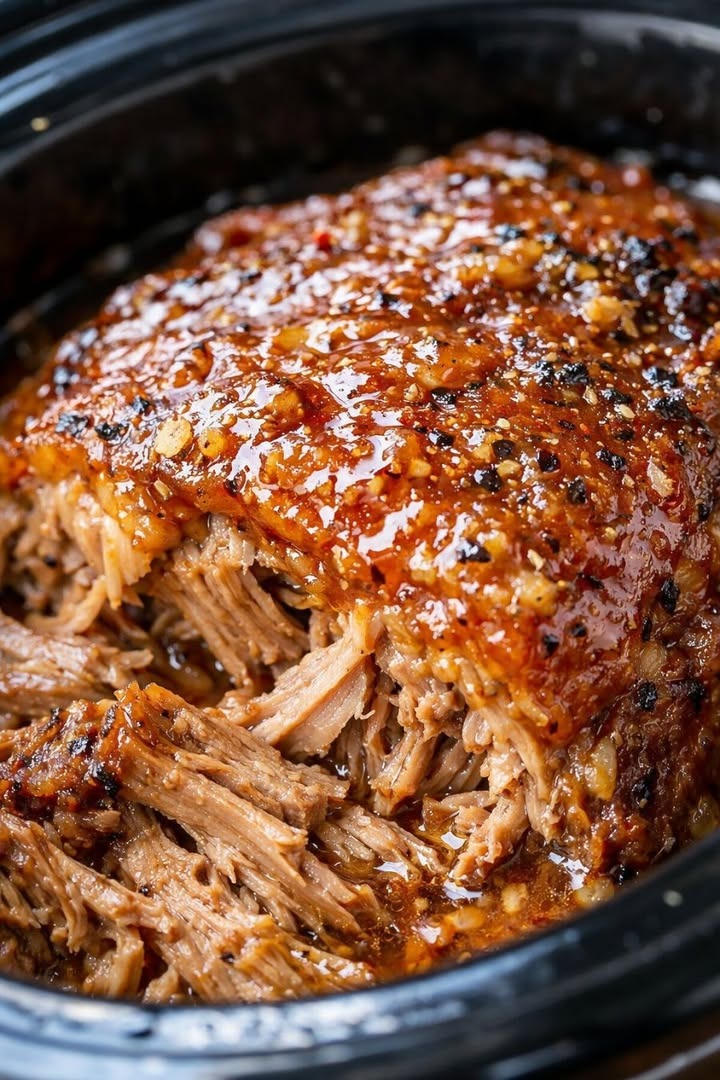
Slow Cooker Apple Cider Pork Roast
Introduction
Slow Cooker Apple Cider Pork Roast is the kind of comforting meal that fills the kitchen with the warm aroma of apples, herbs, onions, and slow-cooked pork. A tender pork roast is gently cooked for hours in a flavorful apple cider sauce until it becomes juicy, succulent, and easy to slice or pull apart.
The combination of sweet apple cider, savory pork, aromatic onions, garlic, thyme, rosemary, and warm spices creates a beautifully balanced flavor. The slow cooker does most of the work, making this recipe especially convenient for busy weekdays, relaxed weekends, family dinners, and holiday gatherings.
Serve the pork with mashed potatoes, roasted vegetables, green beans, or crusty bread to soak up the delicious cider gravy.
Nutritional Information
Approximate values per serving, assuming 8 servings and depending on the exact pork cut and ingredients used.
- Calories: 390–450 kcal
- Protein: 43–48 g
- Carbohydrates: 18–23 g
- Fat: 14–19 g
- Fiber: 1–2 g
- Sugar: 13–17 g
- Sodium: 500–700 mg
For a lighter version, trim visible fat from the pork and reduce the amount of butter or oil used for browning.
Ingredients
For the Pork Roast
- 3–4 lb pork shoulder or pork loin roast
- 2 tablespoons olive oil
- 1½ teaspoons kosher salt
- 1 teaspoon freshly ground black pepper
- 1½ teaspoons garlic powder
- 1 teaspoon onion powder
- 1 teaspoon dried thyme
- ½ teaspoon dried rosemary
- ½ teaspoon smoked paprika
- ¼ teaspoon ground cinnamon
For the Apple Cider Cooking Liquid
- 2 cups apple cider
- 1 cup low-sodium chicken broth
- 1 large yellow onion, sliced
- 4 cloves garlic, minced
- 2 medium apples, sliced
- 2 tablespoons brown sugar
- 1 tablespoon Dijon mustard
- 1 tablespoon apple cider vinegar
- 2 tablespoons Worcestershire sauce
- 2 bay leaves
- 3–4 sprigs fresh thyme
- 1 small sprig fresh rosemary
Optional Vegetables
- 3 carrots, cut into large pieces
- 2 celery stalks, chopped
- 1–1½ lb baby potatoes
- 1 additional apple, sliced for serving
For the Cider Gravy
- 2 tablespoons butter
- 2 tablespoons all-purpose flour
- 1½–2 cups strained slow-cooker cooking liquid
- Salt and pepper, to taste
Instructions
1. Prepare the Pork
Remove the pork roast from the refrigerator approximately 20–30 minutes before cooking.
Pat the roast dry with paper towels. This helps the seasonings stick and also makes it easier to brown the meat.
In a small bowl, combine:
- Salt
- Black pepper
- Garlic powder
- Onion powder
- Thyme
- Rosemary
- Smoked paprika
- Cinnamon
Rub the seasoning mixture generously over every side of the pork.
2. Brown the Pork
Heat the olive oil in a large skillet over medium-high heat.
Once hot, place the seasoned pork into the skillet.
Brown it for approximately 3–5 minutes per side, turning until all major surfaces are nicely browned.
You are not trying to cook the pork completely at this stage. The goal is to create a flavorful browned exterior.
Transfer the pork to the slow cooker.
3. Build the Apple Cider Base
Place the sliced onions, carrots, celery, and potatoes into the bottom of the slow cooker if using.
Add the sliced apples and minced garlic.
Pour in:
- Apple cider
- Chicken broth
- Worcestershire sauce
- Dijon mustard
- Apple cider vinegar
Add the brown sugar and stir gently.
Place the bay leaves, fresh thyme, and rosemary into the liquid.
4. Add the Pork
Place the browned pork roast on top of the vegetables and apples.
The liquid does not need to completely cover the pork.
Cover the slow cooker tightly with the lid.
5. Slow Cook
Low setting
Cook for approximately 7–9 hours on LOW.
High setting
Cook for approximately 4–5 hours on HIGH.
Cooking time will depend on the size and cut of pork.
For pork shoulder, longer cooking is ideal because the connective tissue gradually breaks down and creates exceptionally tender meat.
For pork loin, avoid excessive cooking because it is leaner and can become dry if cooked for too long.
The safest way to determine doneness is to use a food thermometer and check the thickest part of the roast.
6. Rest the Pork
Carefully remove the pork from the slow cooker.
Place it on a cutting board and loosely cover it with foil.
Allow it to rest for approximately 10–20 minutes.
Resting allows the juices to redistribute throughout the meat, helping keep the pork moist and flavorful.
7. Make the Apple Cider Gravy
Strain approximately 1½–2 cups of the cooking liquid from the slow cooker.
Melt the butter in a saucepan over medium heat.
Whisk in the flour.
Cook for approximately 1–2 minutes, stirring constantly.
Slowly pour in the strained apple cider cooking liquid while whisking continuously.
Continue cooking until the sauce thickens into a smooth gravy.
Taste and adjust with:
- Salt
- Black pepper
- A little Dijon mustard
- A splash of apple cider vinegar if you want more brightness
The finished gravy should have a rich, savory flavor with noticeable apple and herb notes.
8. Slice or Shred the Pork
If using pork loin, slice it into thick pieces.
If using pork shoulder, you can either slice it or gently pull it apart with two forks.
Arrange the pork on a large serving platter.
Surround it with the cooked apples and vegetables.
Pour some of the apple cider gravy over the meat and serve the remaining gravy on the side.
The Best Cooking Method
The secret to this recipe is low-and-slow cooking.
Browning the pork before adding it to the slow cooker creates a deeper savory flavor. The apple cider then slowly penetrates the meat while the onions, garlic, herbs, and spices infuse the cooking liquid.
The apples soften during cooking and contribute natural sweetness, while Dijon mustard and apple cider vinegar prevent the dish from becoming overly sweet.
For an especially rich result, use pork shoulder. For a leaner dinner, pork loin works beautifully but should be monitored more carefully.
History and Inspiration
Pork and apples have been paired together for centuries, particularly in European and North American cooking.
The combination makes culinary sense because pork has a rich, savory character that works exceptionally well with the natural sweetness and acidity of apples. Apples have traditionally been used in sauces, stuffings, braises, and roasted pork dishes.
Apple cider became an especially popular ingredient in autumn and harvest cooking because it provides concentrated apple flavor while also adding moisture to slow-cooked meats.
The modern slow cooker version brings together these traditional flavors with a convenient cooking method. Instead of spending hours monitoring a roast in the oven, the slow cooker allows the pork to gently cook while the cider, vegetables, herbs, and spices develop into a flavorful sauce.
Formation of the Dish
The flavor structure of this recipe comes from several layers.
First Layer: Browned Pork
Searing the pork creates a deeply savory crust and adds complexity to the finished dish.
Second Layer: Apple Cider
Apple cider provides sweetness, fruitiness, and acidity while keeping the roast moist.
Third Layer: Aromatics
Onion and garlic provide a savory foundation.
Fourth Layer: Herbs
Thyme and rosemary add earthy and aromatic notes.
Fifth Layer: Warm Spice
A small amount of cinnamon adds warmth without turning the dish into a dessert.
Sixth Layer: Mustard and Vinegar
Dijon mustard and apple cider vinegar balance the sweetness and keep the sauce bright.
Together, these ingredients form a rich, comforting flavor profile that works particularly well during fall and winter.
Tips for the Perfect Apple Cider Pork Roast
Choose the right pork
For exceptionally tender, pull-apart pork, choose pork shoulder.
For a leaner roast that can be sliced beautifully, choose pork loin.
Don’t skip browning
Although you can technically place raw pork directly into the slow cooker, browning it first creates a much more flavorful finished dish.
Don’t use too much cider
The pork does not need to be completely submerged. Too much liquid can dilute the flavors.
Use fresh apples
Firm apples such as Honeycrisp, Gala, Fuji, or Granny Smith work well.
For a sweeter result, use Honeycrisp or Gala.
For more acidity, use Granny Smith.
Don’t overcook pork loin
Pork shoulder benefits from long cooking, but pork loin is considerably leaner.
If using pork loin, begin checking it earlier.
Let the meat rest
Resting the roast before slicing helps retain its juices.
What to Serve With It
This roast pairs beautifully with classic comfort-food sides.
Mashed Potatoes
Creamy mashed potatoes are probably one of the best choices because they absorb the apple cider gravy.
Roasted Vegetables
Try:
- Carrots
- Brussels sprouts
- Sweet potatoes
- Green beans
- Parsnips
Apple and Walnut Salad
A crisp salad with apples, walnuts, greens, and a light vinaigrette provides freshness against the rich pork.
Dinner Rolls
Warm rolls are excellent for soaking up the cider gravy.
Roasted Sweet Potatoes
The natural sweetness of sweet potatoes complements the apple cider without overpowering the pork.
Variations
Maple Apple Cider Pork Roast
Replace the brown sugar with 2 tablespoons pure maple syrup.
This creates a richer, slightly deeper sweetness.
Cranberry Apple Cider Pork
Add ½–1 cup fresh or frozen cranberries during cooking.
The cranberries introduce a pleasant tartness.
Garlic Herb Version
Increase the garlic to 6 cloves and add additional thyme and rosemary for a stronger savory profile.
Spicy Apple Cider Pork
Add ¼–½ teaspoon crushed red pepper flakes or a pinch of cayenne.
The subtle heat works surprisingly well with the sweet cider.
Apple Onion Pork Roast
Increase the onions and apples for a more rustic, sweet-savory preparation.
Slow Cooker Method at a Glance
Prep: 20 minutes
Searing: 10 minutes
Slow cooking: 7–9 hours on LOW
Resting: 10–20 minutes
Servings: 6–8
Simple Process
- Season the pork.
- Brown it in olive oil.
- Add vegetables and apples to the slow cooker.
- Add cider, broth, mustard, vinegar, and Worcestershire sauce.
- Place the pork on top.
- Add herbs and bay leaves.
- Cook on LOW until tender.
- Rest the pork.
- Strain the cooking liquid.
- Make the cider gravy.
- Slice or shred the pork.
- Serve with vegetables and gravy.
Leftovers
Leftover apple cider pork is extremely versatile.
You can use it for:
- Pork sandwiches
- Pulled pork sliders
- Pork tacos
- Grain bowls
- Breakfast hash
- Quesadillas
- Pork and mashed potato bowls
- Warm salads
Store leftovers in an airtight container in the refrigerator and reheat gently with a little of the cooking liquid or gravy to help maintain moisture.
Conclusion
Slow Cooker Apple Cider Pork Roast is a comforting combination of tender pork, sweet apples, fragrant herbs, savory onions, garlic, and rich cider gravy.
The slow cooker makes the preparation remarkably easy while giving the flavors plenty of time to develop. Browning the pork first adds extra depth, while the apple cider creates a naturally sweet and aromatic cooking liquid that can be transformed into a delicious gravy.
Whether you’re preparing a cozy Sunday dinner, an autumn family meal, or a holiday-inspired roast, this recipe delivers a hearty centerpiece that feels special without requiring complicated cooking techniques.
For the Lovers of Comfort Food
If you love tender slow-cooked meats, sweet-and-savory combinations, homemade gravy, apples, and hearty family dinners, this recipe is a particularly satisfying choice.
The best part is that the dish feels like something that has been cooking all day in a traditional kitchen, while most of the actual work is handled by the slow cooker.