

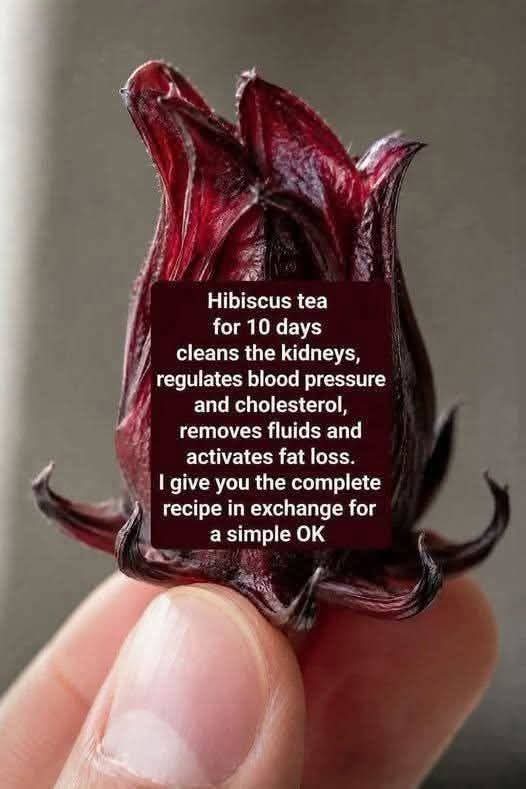
Hibiscus Tea for Wellness
Introduction
Hibiscus tea is a vibrant, ruby-red herbal infusion made from the dried calyces of the hibiscus flower. Known for its pleasantly tart, cranberry-like flavor, this caffeine-free beverage has been enjoyed for centuries across Africa, the Middle East, the Caribbean, Latin America, and Asia. Whether served steaming hot on a chilly morning or poured over ice on a warm afternoon, hibiscus tea is celebrated not only for its refreshing taste but also for its impressive nutritional profile.
Rich in antioxidants and naturally low in calories, hibiscus tea has become a favorite among wellness enthusiasts seeking a flavorful drink that supports hydration and complements a healthy lifestyle. It can be enjoyed plain or enhanced with ingredients like honey, ginger, cinnamon, mint, or citrus.
History of Hibiscus Tea
Hibiscus tea has a long and fascinating history dating back thousands of years.
- Ancient Egyptians enjoyed hibiscus beverages to help stay refreshed in the desert climate.
- In Sudan and Egypt, hibiscus tea, known as “Karkade,” is traditionally served at weddings and celebrations.
- In Mexico and Central America, it is known as “Agua de Jamaica,” a refreshing iced drink enjoyed year-round.
- Throughout West Africa, hibiscus tea has been cherished as both a daily beverage and a traditional herbal drink.
- Today, hibiscus tea is popular worldwide for its beautiful color, refreshing taste, and wellness benefits.
Nutritional Information (Per 1 Cup)
Approximate values:
- Calories: 2
- Protein: 0 g
- Fat: 0 g
- Carbohydrates: 0.5 g
- Fiber: 0.3 g
- Sugar: 0 g (before sweetening)
- Sodium: 2 mg
- Potassium: 20 mg
- Vitamin C: Small amount
- Iron: Trace
- Naturally caffeine-free
- Rich in anthocyanins and polyphenol antioxidants
Values vary depending on preparation and added sweeteners.
Ingredients
Basic Recipe
- 4 cups water
- 2 tablespoons dried hibiscus flowers
- 1–2 teaspoons honey or maple syrup (optional)
- 1 tablespoon fresh lemon juice (optional)
- Ice cubes (for iced tea)
Optional Wellness Additions
- Fresh ginger slices
- Cinnamon stick
- Mint leaves
- Orange slices
- Lime slices
- Cloves
- Star anise
Equipment
- Saucepan or kettle
- Tea strainer
- Teapot
- Measuring spoons
- Pitcher (for iced tea)
- Cups or glasses
Instructions
Step 1: Boil Water
Bring the water to a gentle boil.
Step 2: Add Hibiscus
Remove from heat and stir in the dried hibiscus flowers.
Step 3: Steep
Allow the flowers to steep for 8–10 minutes.
For a stronger flavor, steep up to 15 minutes.
Step 4: Strain
Pour the tea through a fine strainer into a teapot or pitcher.
Step 5: Sweeten
Add honey or maple syrup while warm if desired.
Step 6: Add Citrus
Stir in fresh lemon or lime juice for extra brightness.
Step 7: Serve
Serve hot or chill for several hours and pour over ice.
Different Preparation Methods
1. Traditional Hot Tea
Steep dried hibiscus flowers in freshly boiled water for a rich, aromatic herbal tea.
2. Cold Brew Method
Combine hibiscus flowers with cold water and refrigerate for 8–12 hours for a smoother, less tart flavor.
3. Spiced Wellness Tea
Steep hibiscus with cinnamon, ginger, and cloves for a warming, flavorful infusion.
4. Citrus Hibiscus Tea
Add fresh orange and lemon slices while steeping for a bright, fruity taste.
5. Sparkling Hibiscus Refresher
Mix chilled hibiscus tea with sparkling water and garnish with fresh mint.
Wellness Benefits
Hibiscus tea is valued for its naturally occurring plant compounds that may:
- Provide powerful antioxidants.
- Support heart health as part of a balanced diet.
- Help maintain healthy blood pressure already within the normal range.*
- Support hydration.
- Aid digestion.
- Complement weight-management efforts when replacing sugary drinks.
- Help reduce oxidative stress.
- Refresh the body naturally.
People taking blood pressure medication or who have low blood pressure should consult a healthcare professional before drinking large amounts of hibiscus tea regularly.
Tips for the Best Hibiscus Tea
- Use high-quality dried hibiscus flowers.
- Avoid boiling the flowers directly for long periods to preserve flavor.
- Sweeten gradually.
- Add citrus only after steeping.
- Store dried flowers in an airtight container.
- Serve over plenty of ice during summer.
Flavor Variations
Tropical Blend
Add pineapple and mango juice.
Berry Blend
Mix with fresh strawberries and blueberries.
Ginger Wellness Tea
Steep with fresh ginger.
Mint Cooler
Add fresh mint leaves.
Cinnamon Spice
Infuse with a cinnamon stick.
Citrus Sunrise
Blend with orange and lemon slices.
Storage
- Refrigerate brewed tea for up to 4 days.
- Keep in a sealed glass container.
- Shake before serving.
- Freeze into ice cubes for refreshing drinks.
Serving Suggestions
Enjoy hibiscus tea with:
- Fresh fruit
- Oatmeal
- Yogurt parfaits
- Whole-grain toast
- Salads
- Grilled chicken
- Light sandwiches
- Healthy snacks
Why Tea Lovers Enjoy Hibiscus Tea
Hibiscus tea has earned devoted fans because it is:
- Naturally caffeine-free
- Beautifully vibrant
- Refreshingly tart
- Rich in antioxidants
- Versatile hot or iced
- Easy to prepare
- Naturally low in calories
- Delicious with herbs and fruit
- Suitable for most seasons
- A refreshing alternative to sugary beverages
Conclusion
Hibiscus tea is a simple yet elegant herbal drink that combines vibrant color, refreshing flavor, and impressive nutritional qualities. Whether you enjoy it hot for comfort or iced for a cooling refreshment, it offers a delicious way to stay hydrated while adding beneficial antioxidants to your daily routine. With countless flavor variations and easy preparation methods, hibiscus tea is a timeless wellness beverage that can be enjoyed by tea lovers of all ages.