

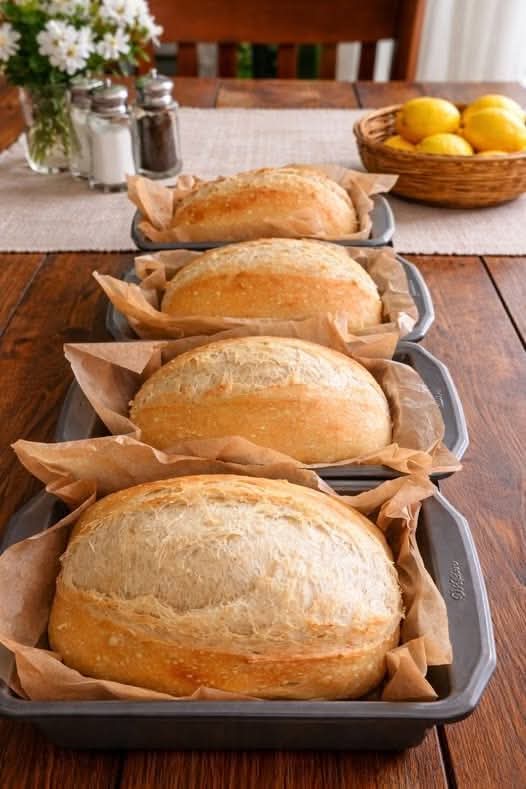
Fluffy Soft Gluten-Free Bread
Introduction
Fluffy soft gluten-free bread is a delicious alternative to traditional wheat bread, offering a tender crumb, light texture, and rich flavor without containing gluten. Making gluten-free bread at home allows you to control the ingredients, avoid preservatives, and create a loaf that’s perfect for sandwiches, toast, French toast, or simply enjoying warm with butter.
Unlike wheat bread, gluten-free bread relies on a blend of gluten-free flours, starches, and binding agents such as psyllium husk or xanthan gum to create structure. This recipe produces a bakery-style loaf with a golden crust and a soft, airy interior that stays fresh for several days.
History
Bread has been a staple food for thousands of years. Traditional bread depended on wheat gluten to trap gases produced during fermentation, giving bread its characteristic rise and chewy texture.
As awareness of gluten intolerance and Celiac Disease increased during the late 20th century, bakers developed new recipes using rice flour, tapioca starch, potato starch, and various natural binders. Today, gluten-free bread has become popular not only among people with medical needs but also among those seeking dietary variety.
Nutritional Information
Approximate nutrition per slice (1 of 14 slices):
- Calories: 165
- Protein: 4 g
- Carbohydrates: 31 g
- Fat: 3.5 g
- Fiber: 3 g
- Sugar: 2 g
- Sodium: 210 mg
- Calcium: 35 mg
- Iron: 1.2 mg
Values vary depending on flour brands used.
Ingredients
Dry Ingredients
- 2 cups gluten-free bread flour blend
- 1 cup tapioca starch
- ½ cup potato starch
- ¼ cup oat flour (certified gluten-free)
- 2 tablespoons psyllium husk powder
- 1 teaspoon xanthan gum
- 2 teaspoons salt
- 2 tablespoons sugar
- 2¼ teaspoons instant yeast
Wet Ingredients
- 2 cups warm water (110°F / 43°C)
- 2 large eggs (room temperature)
- ¼ cup olive oil
- 1 teaspoon apple cider vinegar
- 1 tablespoon honey
Equipment
- Large mixing bowl
- Stand mixer or hand mixer
- 9×5-inch loaf pan
- Silicone spatula
- Plastic wrap
- Cooling rack
- Measuring cups and spoons
Instructions
Step 1: Prepare the Yeast
Combine the warm water, honey, and yeast in a bowl.
Allow it to sit for 5–10 minutes until foamy.
Step 2: Mix Dry Ingredients
Whisk together:
- Gluten-free flour blend
- Tapioca starch
- Potato starch
- Oat flour
- Psyllium husk
- Xanthan gum
- Salt
- Sugar
Step 3: Add Wet Ingredients
Mix in:
- Eggs
- Olive oil
- Apple cider vinegar
- Activated yeast mixture
Beat for 6–8 minutes until a thick, smooth batter forms.
Step 4: First Rise
Transfer the dough into a greased loaf pan.
Smooth the top with a wet spatula.
Cover loosely and let rise for 40–60 minutes until nearly doubled.
Step 5: Bake
Preheat the oven to 375°F (190°C).
Bake for 45–50 minutes until the loaf is golden brown and sounds hollow when tapped.
If the top browns too quickly, loosely cover it with foil during the last 15 minutes.
Step 6: Cool
Allow the bread to cool in the pan for 10 minutes.
Transfer to a wire rack and cool completely before slicing.
Methods
Traditional Method
Mix by hand or with a stand mixer and allow the dough to rise naturally before baking.
Bread Machine Method
Add the wet ingredients first, then the dry ingredients, and use the gluten-free cycle.
Overnight Method
Refrigerate the mixed dough overnight, then allow it to warm and rise before baking.
Dairy-Free Version
Use this recipe as written, ensuring all ingredients are dairy-free.
Vegan Version
Replace the eggs with flaxseed “eggs” (1 tablespoon ground flaxseed plus 3 tablespoons water per egg) and use maple syrup instead of honey.
Formation
The bread develops its structure through the combination of:
- Psyllium husk creating elasticity
- Xanthan gum providing stability
- Yeast producing carbon dioxide for rise
- Eggs adding strength and moisture
- Starches creating a light crumb
- Olive oil keeping the loaf soft
This combination mimics the role of gluten, resulting in a fluffy and sliceable loaf.
Tips for the Best Bread
- Weigh ingredients for the most accurate results.
- Do not add too much flour; gluten-free dough should resemble a thick batter.
- Use fresh yeast.
- Let the loaf cool completely before slicing.
- Store in an airtight container for up to 3 days or freeze sliced for up to 3 months.
Serving Ideas
- Toast with butter and jam
- Avocado toast
- Grilled cheese sandwiches
- French toast
- Garlic bread
- Breakfast sandwiches
- Homemade croutons
- Bread pudding
Lovers of This Bread
This recipe is especially loved by:
- People with Celiac Disease
- Those following a gluten-free lifestyle
- Home bakers
- Families looking for healthier homemade bread
- Sandwich lovers
- Toast enthusiasts
- Anyone who enjoys soft, fluffy artisan-style bread
Conclusion
Fluffy soft gluten-free bread proves that you don’t need wheat to enjoy a delicious homemade loaf. By combining the right gluten-free flours, starches, and binding ingredients, you can create bread with a soft interior, golden crust, and excellent flavor. Whether served fresh from the oven, toasted for breakfast, or used for sandwiches, this recipe is a reliable staple that brings comfort and satisfaction to any table.