

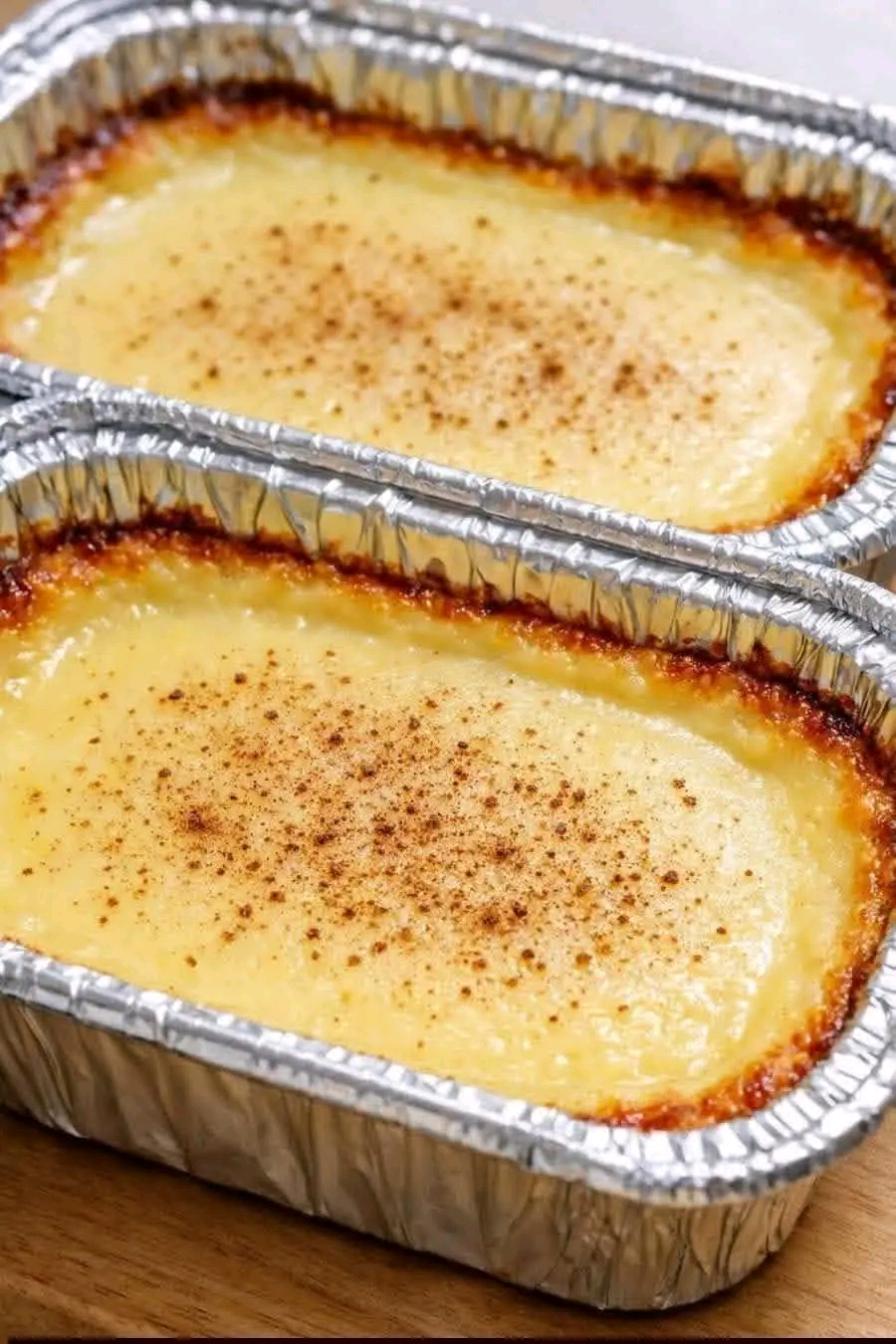
Low-Carb Baked Egg Custard
Introduction
Low-Carb Baked Egg Custard is a simple, creamy dessert made primarily with eggs, heavy cream, and a low-carb sweetener. It has the delicate texture of traditional baked custard while keeping added sugar and carbohydrates very low.
The magic of this dessert comes from gentle baking. The eggs slowly coagulate around the dairy, creating a silky custard that is soft enough to melt in your mouth but firm enough to hold its shape. A touch of vanilla and nutmeg gives it a classic homemade flavor.
It is an excellent choice when you want something sweet and comforting without making a traditional flour-based or sugar-heavy dessert.
Nutritional Information
Estimated nutrition per serving
Recipe makes approximately 6 servings.
- Calories: ~250 kcal
- Protein: ~7 g
- Fat: ~23 g
- Total carbohydrates: ~3–4 g
- Fiber: 0 g
- Net carbohydrates: ~3–4 g
- Added sugar: 0 g when using a zero-carb sweetener
Nutrition varies depending on the cream, sweetener, and milk used.
Ingredients
Main Custard
- 4 large eggs
- 2 large egg yolks
- 2 cups heavy cream
- ½ cup unsweetened almond milk
- ⅓ cup granulated erythritol or another suitable low-carb sweetener
- 2 teaspoons pure vanilla extract
- ¼ teaspoon salt
- ¼ teaspoon ground nutmeg
- ¼ teaspoon ground cinnamon, optional
For the Water Bath
- Hot water, as needed
Optional Toppings
- A light dusting of cinnamon
- Unsweetened whipped cream
- A few fresh berries
- Chopped pecans or walnuts
- Unsweetened shredded coconut
For the lowest-carb version, keep toppings minimal and choose unsweetened options.
Instructions
1. Preheat the Oven
Preheat your oven to 325°F (165°C).
Place six small oven-safe ramekins in a deep baking dish.
The moderate oven temperature is important because custard is delicate. Baking it too aggressively can cause the eggs to overcook and produce a rubbery texture.
2. Prepare the Dairy Mixture
Pour the heavy cream and almond milk into a saucepan.
Heat gently over medium-low heat until the mixture is hot and steaming, but do not allow it to boil.
Remove it from the heat.
Add the sweetener and stir until dissolved.
Allow the mixture to cool for a few minutes.
3. Prepare the Eggs
In a large mixing bowl, whisk together:
- 4 whole eggs
- 2 egg yolks
- Vanilla
- Salt
- Nutmeg
- Cinnamon, if using
Whisk gently until everything is combined.
Avoid whipping too much air into the eggs. Excessive bubbles can make the finished custard less smooth.
4. Temper the Eggs
This is one of the most important steps.
Slowly pour a small amount of the warm cream mixture into the eggs while whisking continuously.
Continue adding the warm cream gradually until approximately half of it has been incorporated.
Then slowly whisk in the remaining cream mixture.
Tempering prevents the hot dairy from suddenly cooking the eggs.
5. Strain the Custard
Pour the mixture through a fine-mesh strainer into a large measuring jug or bowl.
This removes any small pieces of cooked egg and helps produce an exceptionally smooth custard.
If foam has formed on top, let the mixture sit for a minute and gently skim the foam away.
6. Fill the Ramekins
Divide the custard mixture evenly among the ramekins.
Do not fill them completely to the top. Leave a little space.
7. Create the Water Bath
Carefully pour hot water into the baking dish around the ramekins.
The water should reach approximately halfway up the sides of the ramekins.
The water bath provides gentle, even heat and helps prevent the custard from becoming dry.
8. Bake
Carefully transfer the baking dish to the oven.
Bake for approximately 35–50 minutes, depending on the size and depth of your ramekins.
The custard is ready when:
- The edges are set.
- The center still has a gentle jiggle.
- The surface looks mostly smooth.
- A knife inserted near the center comes out mostly clean.
Do not wait until the entire custard becomes completely firm in the oven. It will continue cooking from residual heat.
Method
The method behind baked egg custard is based on the controlled coagulation of egg proteins.
Eggs contain proteins that naturally thicken when heated. When combined with cream and milk, those proteins form a delicate network that traps the liquid and creates the characteristic custard texture.
The goal is slow and gentle coagulation.
Too little heat produces a liquid custard.
Too much heat causes the proteins to tighten excessively, producing a grainy or watery texture.
That is why a moderate oven temperature and water bath are so useful.
Cooling the Custard
Remove the baking dish from the oven.
Carefully take the ramekins out of the hot water bath.
Allow them to cool at room temperature for approximately 20–30 minutes.
Then cover and refrigerate for at least 2 hours.
For the best texture, refrigerate overnight.
The custard becomes firmer and creamier as it chills.
The Formation of the Custard
The formation of baked custard is a beautiful example of basic food science.
When eggs are heated, their proteins begin to unfold. As the temperature increases, the proteins bond with one another and create a soft structure.
The dairy provides moisture and fat, which gives the custard its luxurious mouthfeel.
The result is a delicate balance:
Eggs + gentle heat + dairy = creamy custard
The sugar substitute provides sweetness without the large amount of sugar found in traditional custards.
History of Egg Custard
Egg custard is one of the oldest and most versatile dessert preparations in culinary history.
Egg-and-milk preparations have appeared in various forms throughout European and Middle Eastern cooking for centuries. Traditional custards were commonly flavored with ingredients such as vanilla, cinnamon, nutmeg, citrus, or other spices.
Over time, custard became an important component of pies, tarts, puddings, pastries, and baked desserts.
Modern low-carb versions simply adapt the classic technique by replacing traditional sugar with low-carbohydrate sweeteners and, when desired, replacing regular milk with unsweetened almond milk or another low-carb alternative.
Tips for the Creamiest Custard
Use room-temperature eggs
Room-temperature eggs combine more easily with the warm dairy mixture.
Don’t boil the cream
Boiling is unnecessary and can make tempering the eggs more difficult.
Whisk gently
Too much air creates bubbles and can affect the smooth texture.
Use a water bath
The water bath protects the custard from harsh direct heat.
Don’t overbake
A slight wobble in the center is desirable.
Chill thoroughly
The custard continues to set as it cools.
Low-Carb Variations
Vanilla Custard
Leave out the nutmeg and cinnamon and increase vanilla to 1 tablespoon for a pure vanilla flavor.
Cinnamon Custard
Add an additional ½ teaspoon cinnamon and a tiny pinch of nutmeg.
Lemon Custard
Add 1 tablespoon finely grated lemon zest and 1–2 teaspoons lemon juice.
Coffee Custard
Add 1 teaspoon instant espresso powder to the warm cream mixture.
Chocolate Custard
Add 1–2 tablespoons unsweetened cocoa powder and adjust the sweetener to taste.
Coconut Custard
Replace part of the heavy cream with unsweetened full-fat coconut milk and add a little unsweetened shredded coconut.
Serving Ideas
Serve the custard chilled directly in its ramekin, or carefully invert it onto a small dessert plate.
For an elegant presentation, add:
- A pinch of cinnamon
- A few raspberries or strawberries
- A spoonful of unsweetened whipped cream
- A few toasted pecans
- A small amount of unsweetened coconut
If you’re following a strict ketogenic diet, check the carbohydrate content of your toppings and sweetener carefully.
Common Mistakes
Custard is rubbery
It was probably baked too long or at too high a temperature.
Custard is watery
It may have been undercooked, or excess water may have entered the ramekins.
Custard has bubbles
The eggs were probably whisked too vigorously.
Custard has scrambled pieces
The hot cream was added too quickly to the eggs.
Custard is not sweet enough
Different low-carb sweeteners have different levels of sweetness. Adjust gradually according to taste.
Why Egg Custard Is a Great Low-Carb Dessert
Traditional baked custard can contain a significant amount of sugar. This version focuses on eggs and dairy while using a low-carb sweetener instead.
Eggs also provide high-quality protein, while heavy cream contributes richness and fat.
The result is a dessert that feels indulgent without relying on flour, cornstarch, or large amounts of conventional sugar.
Storage
Store the custard covered in the refrigerator.
Refrigerator: approximately 3–4 days.
For the best texture, keep the ramekins covered so the custard does not absorb refrigerator odors or develop a dry surface.
This dessert is best served cold or slightly chilled.
Conclusion
Low-Carb Baked Egg Custard proves that a simple dessert can still feel luxurious without requiring a large amount of sugar or flour.
With only a handful of ingredients, gentle heat, and a little patience, you can create a silky, creamy custard with a rich vanilla flavor and delicate texture.
The most important secrets are gentle heating, proper tempering, a water bath, and avoiding overbaking.
Whether served plain with vanilla, finished with cinnamon, or dressed up with a few berries and nuts, this custard makes a wonderfully comforting low-carb dessert.
For Custard Lovers
If you love classic creamy desserts, this recipe is especially satisfying because it delivers that traditional baked-custard experience while keeping the carbohydrate content low.
The combination of rich cream, tender eggs, vanilla, nutmeg, and a silky texture makes every spoonful feel like a classic homemade dessert—with a modern low-carb twist.