
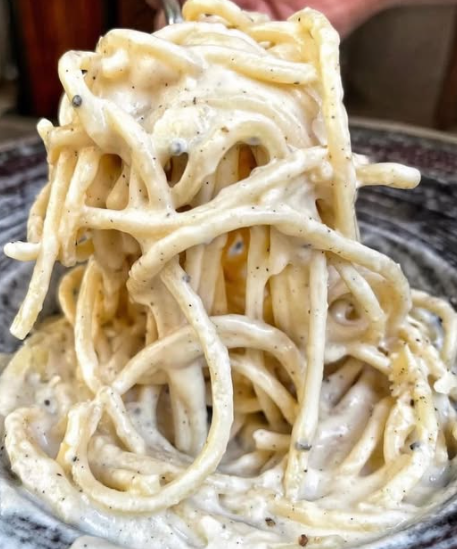
An Icon of Roman Cuisine Rooted in Simplicity
Cacio e Pepe stands as one of the most revered pasta dishes in Italian gastronomy, a masterpiece born from restraint rather than excess. Originating in Rome, this legendary recipe relies on just three essential ingredients—pecorino romano cheese, black pepper, and pasta—yet delivers a depth of flavor and texture that has captivated chefs, food lovers, and culinary historians across the globe.
We explore Cacio e Pepe not as a trend, but as a culinary philosophy. It is a dish that reflects Roman identity: bold, unapologetic, and uncompromisingly authentic. Every forkful represents centuries of tradition refined into a perfectly balanced expression of cheese, spice, and starch.
The Roman Origins of Cacio e Pepe
Cacio e Pepe was shaped by necessity and ingenuity. Roman shepherds carried aged pecorino romano and black pepper during long days in the countryside. Combined with dried pasta and hot water, these shelf-stable ingredients formed a nourishing and satisfying meal.
Over time, what began as sustenance evolved into a symbol of Roman pride. Today, Cacio e Pepe is featured in the most traditional trattorias of Rome, prepared with unwavering respect for technique and ingredient integrity.
Why Three Ingredients Are More Than Enough
Pecorino Romano: The Soul of the Dish
Pecorino romano is not interchangeable. This sharp, salty sheep’s milk cheese delivers intensity and structure to the sauce. Its high fat content allows it to emulsify with pasta water, forming a creamy, glossy coating without the need for cream or butter.
Grated finely, pecorino romano melts seamlessly, binding with starch and heat to create a sauce that clings to every strand of pasta.
Black Pepper: Aromatic Heat and Balance
Freshly cracked black pepper is essential. Toasted gently, it releases warm, floral notes that cut through the richness of the cheese. Pepper is not a background seasoning here—it is a leading character that defines the dish’s personality.
Pasta: The Structural Foundation
Traditionally, tonnarelli or spaghetti is used. The pasta’s surface texture and thickness matter, as they influence how the sauce adheres. High-quality durum wheat pasta releases starch gradually, enabling the perfect emulsion.
The Secret to the Creamy Cacio e Pepe Sauce
The magic of Cacio e Pepe lies in emulsification, not melting cheese directly over heat. The secret learned from Roman kitchens is precision.
We combine finely grated pecorino romano with warm (not boiling) pasta water, forming a smooth paste. This mixture is then gently folded into the pasta off the heat, allowing the starch and fat to bind without separation. When done correctly, the result is silky, cohesive, and intensely flavorful.
This technique transforms three humble ingredients into one of the most luxurious textures in Italian cuisine.
Step-by-Step: Authentic Roman Cacio e Pepe Method
Ingredients
- Pecorino Romano DOP, finely grated
- Freshly cracked black pepper
- Spaghetti or tonnarelli pasta
- Salted water (used sparingly)
Method
- Cook pasta in lightly salted water until al dente. Reserve ample pasta water.
- Toast black pepper in a dry pan until fragrant.
- Create a paste with pecorino romano and warm pasta water.
- Add drained pasta to the pan with pepper.
- Remove from heat and incorporate the cheese mixture gradually.
- Toss vigorously until a creamy sauce forms.
The result should be fluid, glossy, and evenly coated, never clumpy or oily.
Common Mistakes That Ruin Cacio e Pepe
Even experienced cooks struggle with this deceptively simple dish. We avoid these critical errors:
- Overheating the cheese, causing it to seize
- Using pre-grated cheese, which contains anti-caking agents
- Oversalting the water, conflicting with pecorino’s natural saltiness
- Adding cream or butter, which undermines authenticity
Mastery comes from restraint, patience, and respect for technique.
Why Cacio e Pepe Became World-Famous
Cacio e Pepe resonates globally because it embodies culinary honesty. In a world of excess, it reminds us that excellence comes from understanding ingredients rather than masking them.
Its rise in international kitchens reflects a growing appreciation for traditional Italian cooking, where method outweighs modification. From Michelin-starred restaurants to home kitchens, Cacio e Pepe continues to inspire reverence.
Pairing Cacio e Pepe for a Complete Experience
We enhance the dish with thoughtful pairings that complement without overpowering:
- Dry Italian white wines such as Frascati or Verdicchio
- Light-bodied reds like Cesanese
- Simple side dishes, including sautéed greens or a crisp Roman salad
The goal is harmony—allowing the pasta to remain the focal point.
Cacio e Pepe as a Culinary Benchmark
Among Roman pasta classics—Carbonara, Amatriciana, and Gricia—Cacio e Pepe is the purest test of skill. There is no room for shortcuts. Every movement matters.
This dish teaches us discipline, respect for tradition, and the power of simplicity. It is not merely pasta—it is Roman culinary heritage on a plate.
Why We Return to Cacio e Pepe Again and Again
Cacio e Pepe endures because it satisfies on every level: sensory, emotional, and cultural. Each bite connects us to Rome’s cobbled streets, bustling trattorias, and generations of cooks who perfected this technique long before it reached the world stage.