
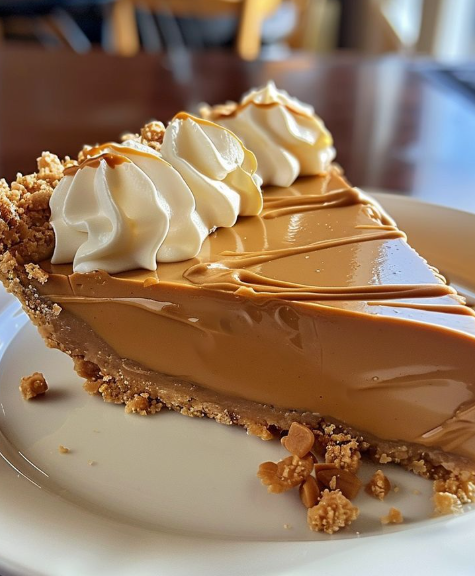
Introduction to Salted Caramel Cream Pie Excellence
We present a comprehensive exploration of Salted Caramel Cream Pie, a dessert that epitomizes indulgence, balance, and culinary refinement. This iconic pie combines a buttery crust, a luxuriously smooth caramel filling, and a light whipped cream topping, finished with nuanced salty-sweet accents that elevate every bite. Revered by pastry chefs and home bakers alike, this dessert stands at the intersection of classic comfort and modern sophistication.
What Makes Salted Caramel Cream Pie Irresistible
The appeal of salted caramel cream pie lies in its layered complexity. Each component is meticulously crafted to harmonize texture and flavor:
- Crunchy, golden crust that anchors the pie with structure and warmth
- Silky caramel custard that delivers deep toffee notes
- Cloud-like whipped cream that lightens the palate
- Fine sea salt that sharpens sweetness and enhances depth
This interplay creates a dessert that feels indulgent yet refined, rich yet balanced.
A Brief History of Caramel in Pastry Arts
Caramel has long been celebrated in European confectionery, where sugar was transformed through heat into amber gold. Over time, pastry artisans refined caramel techniques, introducing cream and butter to create smoother textures. The addition of sea salt emerged as a modern enhancement, transforming caramel from simply sweet into boldly complex. The salted caramel cream pie represents the pinnacle of this evolution, marrying tradition with innovation.
Essential Ingredients for a Perfect Salted Caramel Cream Pie
The Crust: Foundation of Flavor
A superior pie begins with a robust base. The most celebrated versions use:
- Graham cracker crumbs or digestive biscuits
- Melted unsalted butter
- A touch of sugar for caramelization
This combination yields a crust that is crisp, aromatic, and structurally sound, providing a perfect contrast to the creamy filling.
The Caramel Cream Filling: The Heart of the Pie
The filling defines the dessert. Key components include:
- Granulated sugar, carefully caramelized
- Heavy cream, warmed for smooth integration
- Egg yolks, delivering custard-like richness
- Butter, for silkiness and sheen
- Pure vanilla extract, enhancing aroma
- Fine sea salt, balancing sweetness
When prepared with precision, the result is a velvety caramel custard that sets beautifully while remaining luscious.
The Whipped Cream Topping: Lightness and Elegance
A restrained topping ensures balance. Ideal whipped cream includes:
- Cold heavy cream
- Minimal powdered sugar
- Vanilla bean or extract
This layer adds airiness and visual appeal, complementing the dense caramel beneath.
Step-by-Step Craftsmanship Behind the Perfect Pie
Preparing the Crust
We combine crushed biscuits with melted butter, pressing the mixture firmly into a pie dish. Baking briefly sets the crust, releasing toasted aromas and ensuring a crisp bite.
Mastering Caramelization
Sugar is heated slowly until it melts and deepens to a rich amber hue. Precision is essential; proper caramelization unlocks complex bitterness and sweetness without burning.
Creating the Creamy Custard
Warm cream is gently incorporated into the caramel, followed by butter and vanilla. Egg yolks are tempered carefully, then returned to the mixture and cooked until thickened. The custard is poured into the crust and chilled until perfectly set.
Finishing with Whipped Cream and Garnish
Freshly whipped cream is piped or spread generously. A final sprinkle of flaky sea salt or caramel drizzle adds visual allure and a finishing flavor contrast.
Why Salted Caramel Cream Pie Is a Crowd Favorite
This dessert transcends trends because it satisfies multiple sensory cravings:
- Visual appeal with glossy caramel and soft cream swirls
- Textural contrast between crisp crust and smooth filling
- Balanced flavor profile combining sweet, salty, and buttery notes
Whether served at celebrations or intimate dinners, salted caramel cream pie consistently leaves a lasting impression.
Pairing Suggestions for an Elevated Dessert Experience
To heighten enjoyment, we recommend pairing this pie with:
- Freshly brewed espresso or dark roast coffee
- Black tea with subtle floral notes
- Dessert wines such as late-harvest Riesling or tawny port
These accompaniments complement the caramel’s richness while cleansing the palate.
Nutritional Perspective and Indulgence Balance
While undeniably indulgent, this dessert can be enjoyed mindfully. Smaller slices deliver satisfaction without excess, and high-quality ingredients ensure maximum flavor impact per bite. The richness encourages moderation, making it an ideal choice for special occasions.
Modern Variations and Creative Twists
Contemporary pastry chefs often reinterpret the classic:
- Chocolate-infused caramel layers
- Nut-studded crusts with pecans or almonds
- Espresso or bourbon notes in the filling
- Gluten-free crust alternatives
These adaptations showcase the versatility of salted caramel cream pie while preserving its essence.
Serving and Presentation Tips
Presentation enhances perception. For an elegant finish:
- Use a warm knife for clean slices
- Garnish plates with caramel drizzle or crushed toffee
- Serve chilled for optimal texture and flavor clarity
Attention to detail transforms a delicious dessert into a memorable experience.
Why This Dessert Deserves a Place in Every Recipe Collection
Salted caramel cream pie is more than a dessert; it is a culinary statement. Its timeless appeal, adaptability, and universal admiration make it a staple worth mastering. Each slice reflects craftsmanship, balance, and indulgence in perfect harmony.
Conclusion: The Enduring Allure of Salted Caramel Cream Pie
We celebrate salted caramel cream pie as a dessert that embodies elegance, comfort, and sophistication. From its crisp foundation to its creamy crown, every element contributes to a harmonious whole. This is a dessert designed not merely to be tasted, but to be remembered.